The History of Comedy: From Ancient Times to Modern Stand-Up
Comedy has been an integral part of human culture for centuries, serving as a form of entertainment that brings joy, laughter, and sometimes even enlightenment. From the ancient civilizations to modern stand-up comedy, the evolution of humor has been a fascinating journey that reflects the changing times and societal norms.
Ancient Humor and the Origins of Comedy
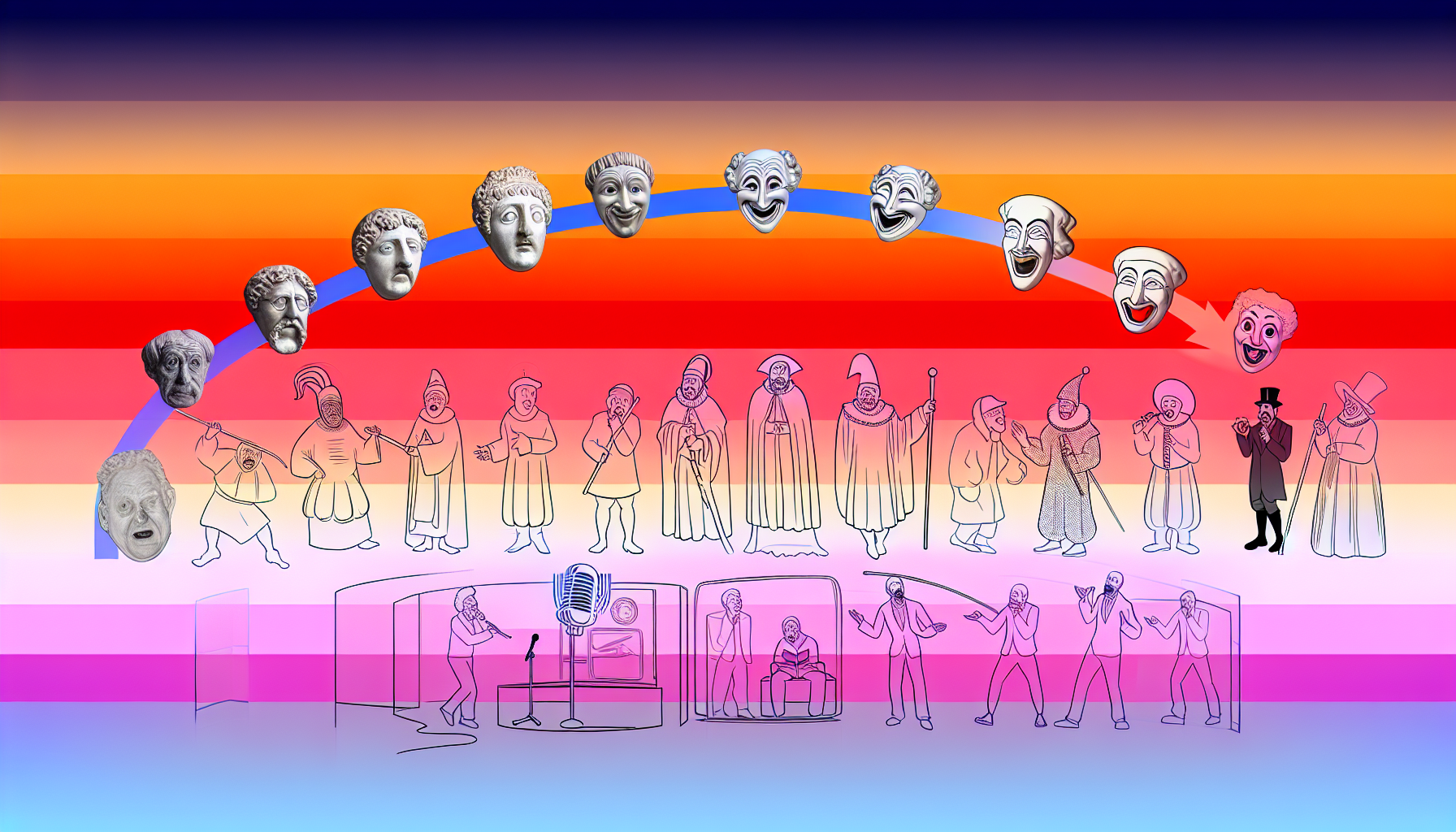
The history of comedy can be traced back to ancient civilizations like Greece and Rome, where humor was used as a way to entertain and educate the masses. In ancient Greece, comedy was a part of theatrical performances known as "comedy plays," which often satirized political figures and societal issues. The famous Greek playwright Aristophanes was known for his comedic plays that tackled serious subjects with wit and humor.
Similarly, in ancient Rome, comedies were a popular form of entertainment in the form of plays and performances in theaters. Roman comedies often featured slapstick humor, wordplay, and satire of the Roman society and its leaders.
The Evolution of Comedy Through the Ages
As civilizations evolved, so did the art of comedy. During the Middle Ages, comedy took on different forms such as jesters and troubadours who entertained the royal courts with their witty jokes and performances. In the Renaissance period, comedy flourished in the form of commedia dell'arte, a style of improvised comedy that featured stock characters and humorous situations.
Fast forward to the 20th century, and we see the rise of vaudeville shows, silent films, and radio programs that brought comedy to the masses. Comedians like Charlie Chaplin, Buster Keaton, and Laurel and Hardy became household names, using physical comedy and visual gags to entertain audiences.
Modern Stand-Up Comedy and the Comedy Boom
One of the most significant developments in the history of comedy is the rise of stand-up comedy in the 20th century. Stand-up comedy, where a comedian performs in front of a live audience, became a popular form of entertainment in clubs, theaters, and on television.
Comedians like George Carlin, Richard Pryor, and Joan Rivers pushed the boundaries of comedy with their bold and provocative humor, tackling taboo subjects and challenging societal norms. The 1980s and 1990s saw a comedy boom with the rise of comedians like Eddie Murphy, Jerry Seinfeld, and Robin Williams, who became comedy legends in their own right.
The Future of Comedy
Today, comedy continues to evolve with the advent of social media, streaming platforms, and podcasts that allow comedians to reach a global audience. Comedians like Dave Chappelle, Ali Wong, and Hannah Gadsby are using their platforms to address social issues, share personal stories, and bring laughter to audiences around the world.
As we look back at the history of comedy, we see how humor has always been a powerful tool to entertain, provoke thought, and bring people together. From the ancient Greeks to modern stand-up comedians, the evolution of comedy reflects the ever-changing landscape of human society and culture.
- Ancient civilizations like Greece and Rome used comedy to entertain and educate.
- The Middle Ages and Renaissance saw the evolution of comedy through jesters and commedia dell'arte.
- The 20th century brought about the rise of stand-up comedy and iconic comedians.
- Modern comedians continue to push the boundaries of comedy and entertain audiences worldwide.
Comedy will always have a place in our hearts and minds, bringing joy and laughter to people of all ages and backgrounds. As we continue to navigate the complexities of life, comedy serves as a reminder that sometimes, the best way to cope with the world is to simply laugh.