The Science Behind Why We Laugh
Laughter is a universal language that transcends cultural boundaries. It is a natural response to something funny or amusing, but have you ever wondered why we laugh? What is the science behind this unique human behavior? Let's delve into the fascinating world of laughter and explore the psychology of humor.
Why Do People Laugh?
Laughter is a complex phenomenon that involves various physiological and psychological processes. According to research, there are several theories that attempt to explain why people laugh. One popular theory is the incongruity theory, which suggests that humor arises when there is a disconnect between our expectations and reality. When something unexpected or surprising happens, our brain processes this information and we respond with laughter.
Another theory is the superiority theory, which posits that we laugh at the misfortunes or mistakes of others as a way to feel superior. This theory is closely linked to the idea of social bonding through shared laughter, as it helps strengthen social relationships and build trust among individuals.
The Science of Laughter
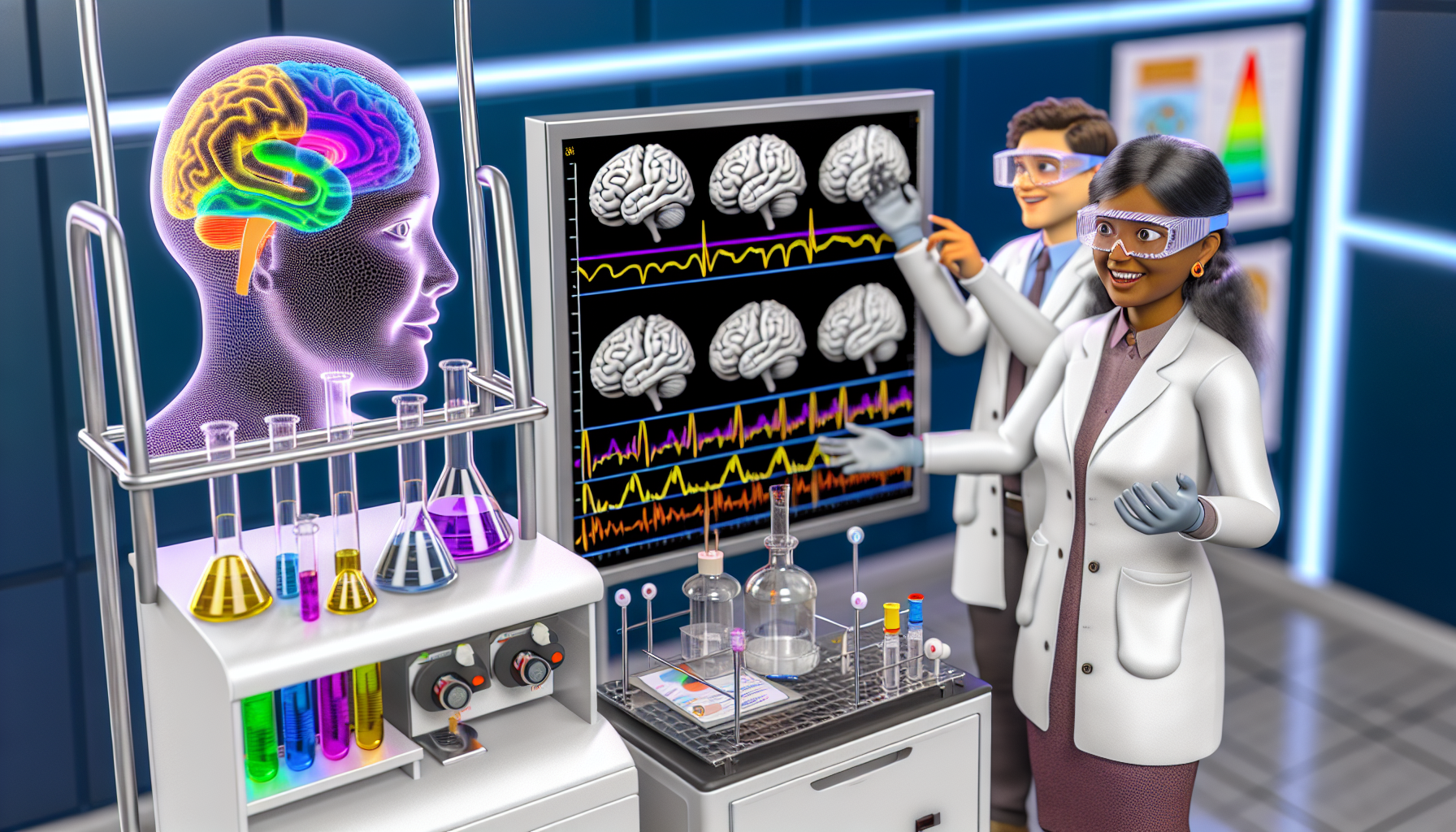
When we laugh, our brain releases endorphins, which are neurotransmitters that promote feelings of happiness and reduce stress. Laughter has been shown to have numerous physical and mental health benefits, including boosting the immune system, reducing pain, and improving overall well-being. In fact, laughter therapy is a recognized form of complementary medicine that is used to promote healing and relaxation.
Studies have also found that laughter can improve cognitive function and creativity. When we laugh, our brain releases dopamine, a neurotransmitter associated with reward and pleasure, which can enhance our ability to think creatively and solve problems. This is why incorporating humor into learning and work environments can lead to increased productivity and innovation.
The Psychology of Humor
Humor is a complex cognitive process that involves the recognition of patterns, incongruities, and surprises. Psychologists believe that humor serves several important functions, including relieving tension, expressing emotions, and enhancing social interactions. In fact, humor is often used as a coping mechanism to deal with stress and difficult situations.
Research has shown that individuals with a well-developed sense of humor tend to have higher levels of self-esteem and better social skills. Humor can also be a powerful tool for building rapport and establishing connections with others. When we share a laugh with someone, it creates a sense of camaraderie and mutual understanding.
In Conclusion
Laughter is a fundamental aspect of human behavior that plays a crucial role in our social interactions and emotional well-being. Understanding the science behind why we laugh can help us appreciate the power of humor in our lives and harness its benefits for our physical and mental health.
- Laughter is a natural response to humor and incongruity.
- Laughter releases endorphins and promotes well-being.
- Humor serves important psychological functions and enhances social connections.
So, the next time you find yourself laughing uncontrollably at a joke or a funny situation, remember that there is a fascinating science behind your laughter!