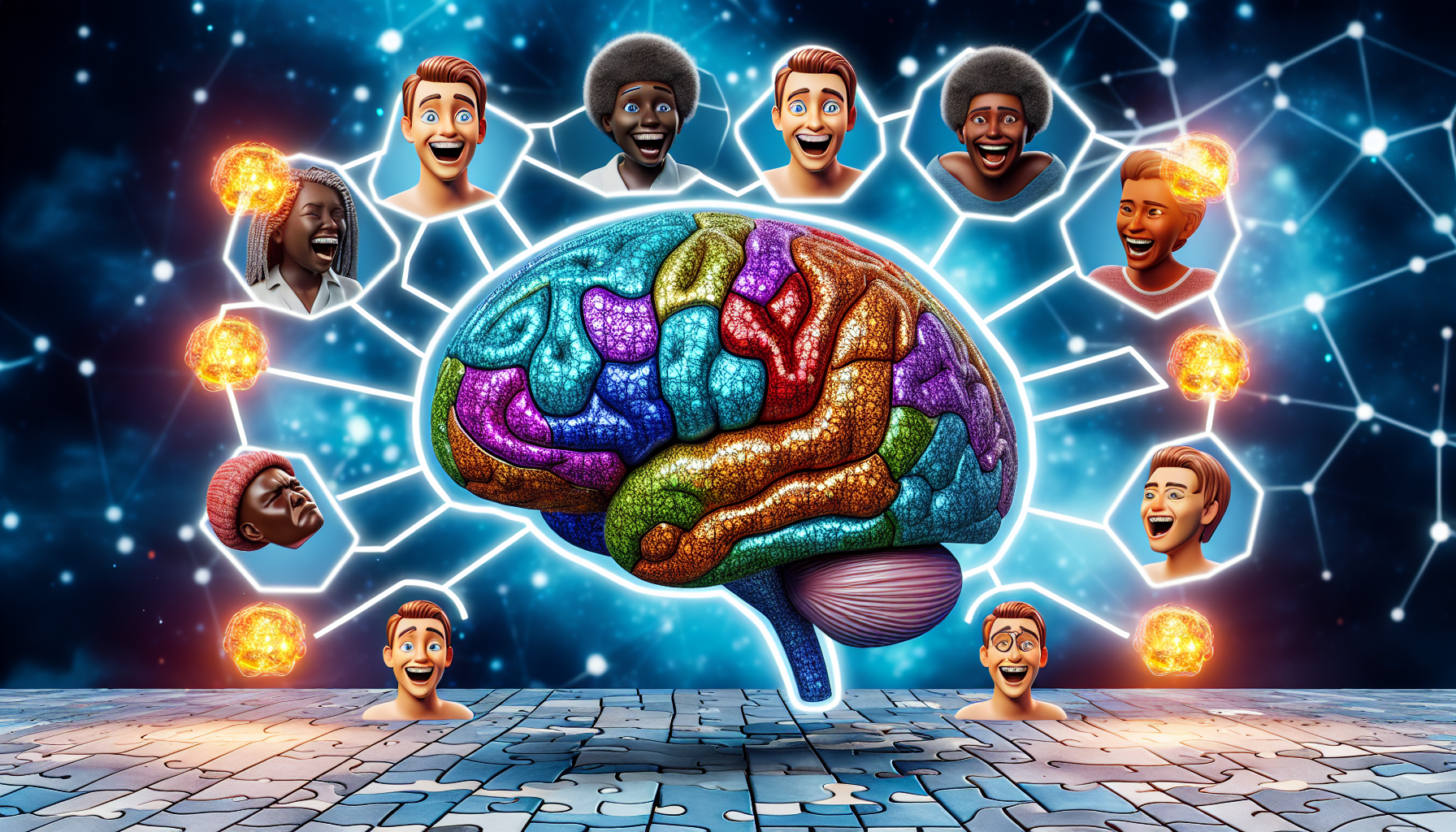
What Makes Something Funny? The Psychology Behind Humor
Why do we laugh? What is it about certain situations, jokes, or even images that tickles our funny bone? Understanding the psychology behind humor can shed light on why we find certain things funny and why laughter is such a universal human experience.
The Science of Laughter
Laughter is a complex psychological response that involves various regions of the brain and triggers emotional, cognitive, and physical reactions. According to research in humor psychology, there are several key factors that contribute to what makes something funny:
- Incongruity: One of the most common theories of humor is incongruity theory, which suggests that humor arises when there is a mismatch between our expectations and reality. When something unexpected or absurd happens, it can trigger laughter as our brains try to make sense of the situation.
- Superiority: Another theory, known as superiority theory, posits that humor often involves a sense of superiority over others. Jokes that involve teasing, sarcasm, or poking fun at someone else's expense can evoke laughter by making us feel superior or clever.
- Relief: Relief theory suggests that humor serves as a coping mechanism to relieve tension and stress. When we encounter a stressful or uncomfortable situation, laughter can help us release pent-up emotions and feel more relaxed.
The Role of Context
Context plays a crucial role in determining what we find funny. Cultural norms, personal experiences, and individual differences all influence our sense of humor. What may be hilarious to one person could be offensive or dull to another. Additionally, timing, delivery, and social cues can impact how humor is perceived and received.
The Power of Laughter
Laughter has numerous benefits for our mental and physical well-being. It can reduce stress, boost mood, strengthen social bonds, and even improve immune function. Studies have shown that laughter releases endorphins, the body's natural feel-good chemicals, which can promote a sense of happiness and relaxation.
Furthermore, humor can be a powerful tool for communication and persuasion. Using humor in marketing, public speaking, or everyday interactions can help engage audiences, build rapport, and make messages more memorable.
Cultivating a Sense of Humor
While some people may naturally have a knack for humor, anyone can cultivate a sense of humor through practice and exposure to different types of comedy. Experiment with different forms of humor, from puns and wordplay to satire and slapstick, and pay attention to what makes you laugh.
Engaging with funny content, such as comedy shows, memes, or stand-up performances, can also help expand your sense of humor and introduce you to new comedic styles. Surrounding yourself with people who share your sense of humor can create a positive and lighthearted environment where laughter comes easily.
Conclusion
Humor is a complex and multifaceted phenomenon that plays a significant role in our lives. Understanding the psychology behind humor can not only help us appreciate the art of comedy but also enhance our emotional well-being and social interactions. So, the next time you find yourself laughing uncontrollably, take a moment to appreciate the fascinating psychology behind what makes something funny.
Remember, laughter is truly the best medicine!